Cross Brand Compatible Pods Orders: Freight Options for Importers
Most problems with Cross Brand Compatible Pods are not product problems — they are specification, packaging or timing problems that were visible in advance. This page is a checklist for catching them while they are still cheap to fix.
Minimum Order Quantities and Carton Planning
MOQ on Cross Brand Compatible Pods is usually set by whatever makes a production run efficient, not by any fixed rule. If your requirement is below the standard minimum, ask whether a mixed carton or a shared production slot is possible instead of accepting a large surplus you cannot sell through.
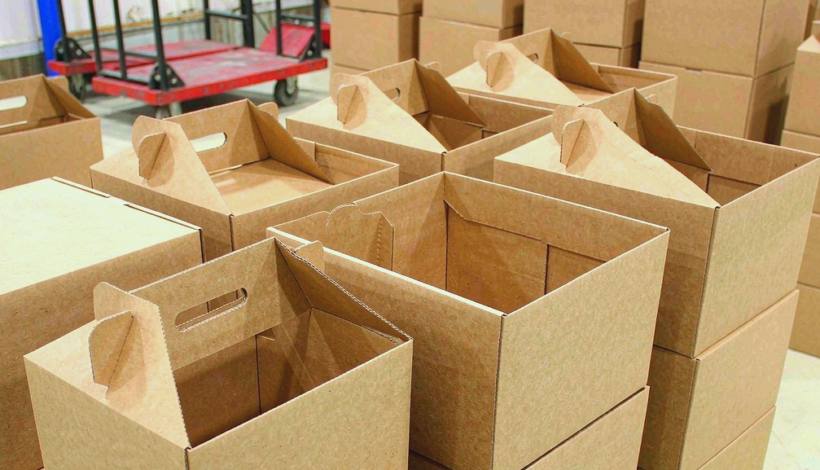
Carton planning decides whether Cross Brand Compatible Pods arrives in a condition you can sell. Under-filled cartons deform in transit; over-filled ones split at the seams. Aim for a fill that leaves the carton rigid without compressing the product, and check the stacking height against your pallet pattern.
Documentation Set You Should Request
Good documentation on Cross Brand Compatible Pods tells you who made the goods, when, and to what specification. That matters for traceability if a batch is ever questioned, and it matters for your own stock rotation.
Keep a single folder per Cross Brand Compatible Pods shipment: quotation, approved sample reference, inspection report and shipping documents. Six months later, when you are reordering, that folder is the fastest way to repeat a good result.
Ask for a complete document set with Cross Brand Compatible Pods: invoice, packing list, origin certificate, batch identification and any product-specific test reports. Requesting them during production is routine; requesting them after arrival is a problem.

Choosing Between Air, Sea and Express
Sea freight suits planned Cross Brand Compatible Pods volume, air suits genuine urgency, and express suits samples and small top-ups. Matching the mode to the reason, rather than to the deadline panic, is what keeps freight spend proportionate.
Ask your forwarder for the all-in door-to-door figure for Cross Brand Compatible Pods rather than the port-to-port rate. The difference between the two numbers is usually where freight budgets quietly disappear.
Trends Shaping Cross Brand Compatible Pods This Year
Three things are shaping Cross Brand Compatible Pods in 2026: tighter compliance expectations, shorter product cycles, and buyers who want smaller, more frequent shipments. None of these are dramatic, but together they change what a good supplier looks like.
The direction of travel for Cross Brand Compatible Pods is towards fewer, better-documented products rather than an ever-wider catalogue. Suppliers who can provide consistent documentation are winning orders that used to go purely on price.
2026 has been a year of consolidation for Cross Brand Compatible Pods. Buyers are trimming ranges and concentrating volume with suppliers who deliver consistently, which favours preparation over improvisation.
| Order Stage | Working Days | What Happens |
|---|---|---|
| Specification sign-off | 5 working days | Confirms tolerances and materials |
| Sampling | 15–2 working days | Production units, not showroom pieces |
| Production | 2 working days | Scheduled against your slot |
| Inspection and packing | 5 working days | Photographs included in the report |
Sample Orders and Evaluation Checklist
A short evaluation checklist for Cross Brand Compatible Pods keeps decisions comparable: specification match, finish quality, packaging integrity, documentation completeness and how the supplier handled the request. Score each one and the choice usually becomes obvious.
Order 2 samples of Cross Brand Compatible Pods rather than one. Single units are hand-picked; a small batch shows you what the production line actually produces, and that is what you are about to buy in volume.
Who Buys Cross Brand Compatible Pods and Why
retail chains tend to reorder Cross Brand Compatible Pods on a rhythm rather than in one large batch. That rhythm is driven by shelf turnover, seasonal footfall and how quickly a flavour or format goes stale in the local market. Understanding who your end buyer is makes the reorder maths much easier.
Demand for Cross Brand Compatible Pods rarely comes from a single customer type. Some retail chains want steady replacement stock, others want something seasonal they can merchandise for six weeks. Those two buying patterns need different carton sizes and different delivery windows, so it is worth separating them when you plan.
The buyers behind Cross Brand Compatible Pods orders are usually pragmatic. They care about whether the product sells through, whether it arrives intact, and whether the next shipment will match the last one. Everything else is secondary, which is why consistency beats novelty in most reorder conversations.
Customs, Duties and Compliance Paperwork
Compliance for Cross Brand Compatible Pods is destination-specific and it changes. Rather than memorising rules, build a short checklist per market and refresh it at each order. It takes twenty minutes and prevents the expensive kind of surprise.
Classification is the decision that shapes everything else on a Cross Brand Compatible Pods shipment. Duty rate, licence requirements and inspection probability all follow from the code used. If you are unsure, get a written classification opinion before the vessel sails, not after the goods are held.
- Split very large Cross Brand Compatible Pods orders across production slots
- Plan cartons around real handling, not catalogue photos
- Use one approved sample reference for every repeat order
- Compare landed cost, not headline unit price
- Ask which components are stocked as spares
Every Cross Brand Compatible Pods order starts the same way here — a short conversation about volume, market and timing. If the fit is right we will quote; if it is not, we will say so and point you somewhere better.
Frequently asked questions
What happens if a Cross Brand Compatible Pods shipment arrives damaged?
Report it within the agreed window with photographs and carton references and we will work through a credit or replacement. This is much faster when an inspection report exists, which is why we recommend one for larger orders.
Can Cross Brand Compatible Pods be shipped directly to my retail locations?
Direct-to-store is possible in many markets, though consolidation at a single warehouse is usually cheaper and easier to reconcile. We can quote both so you can compare.
How do I know the Cross Brand Compatible Pods I reorder will match the last batch?
We keep the approved specification and sample reference on file for every order and check against it at inspection. If a component changes, you hear about it before production rather than at delivery.
How long does a Cross Brand Compatible Pods order take to arrive?
Production for Cross Brand Compatible Pods commonly runs two to four weeks depending on specification and packaging, with transit added on top. Sea freight adds several weeks, air considerably less. We quote a realistic window rather than a best case.
Are there compliance requirements I should know about for Cross Brand Compatible Pods?
Requirements vary by destination and they change. We confirm the current position for your market at the point of order and supply the documentation that supports it, but the importer of record remains responsible for local compliance.
Related reading
Talk to us about cross brand compatible pods bulk
Send us your target quantity, destination and timing. We answer with real options and a landed cost you can compare — normally within one working day.