Cross Brand Compatible Pods Purchasing: Quality Checks for Vape Shops
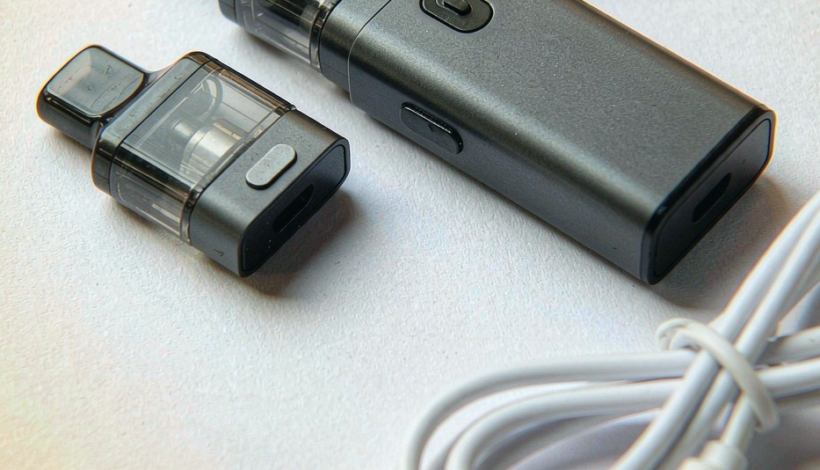
This guide to Cross Brand Compatible Pods is written for nightclub and bar venues who need repeatable supply rather than a one-off purchase. It focuses on the decisions that change your landed cost and your shelf availability, and skips the parts that do not.
Specifications Worth Checking Before You Order
A good specification for Cross Brand Compatible Pods is measurable. Capacity, resistance, material thickness and finish should all have a stated tolerance, not a marketing range. When tolerances are missing, quality arguments later become opinion against opinion, and that is a conversation you will not win from another continent.
Three specification lines cause most disputes on Cross Brand Compatible Pods orders: capacity tolerance, material grade and finish consistency. Ask for measured values rather than nominal ones, and request photographs of the actual production batch instead of a catalogue render. It takes an extra day and removes most of the risk.
After-Sales, Warranty and Spare Parts
Clarify what happens after Cross Brand Compatible Pods arrives. A written agreement on how defects are credited, how quickly claims are settled, and who pays for return freight is worth more than a friendly promise made during negotiation.
Set the claim window for Cross Brand Compatible Pods in writing — how many days after arrival you can report an issue and what evidence is needed. Clear terms on both sides make the rare dispute quick to resolve.
Spare parts availability is easy to overlook on Cross Brand Compatible Pods and painful to discover later. Ask which components are stocked, how long they are supported, and what the minimum order is for a parts-only shipment.

Choosing Between Air, Sea and Express
Ask your forwarder for the all-in door-to-door figure for Cross Brand Compatible Pods rather than the port-to-port rate. The difference between the two numbers is usually where freight budgets quietly disappear.
For Cross Brand Compatible Pods, the break-even between air and sea is mostly about how long your cash is tied up and how quickly the stock turns. Fast-moving lines can justify air; slow ones almost never can.
Storage, Handling and Shelf Life
Good stock rotation on Cross Brand Compatible Pods is simple: label by arrival date, pick oldest first, and keep a small buffer that is never touched. That buffer is what stops an unexpected demand spike from turning into an emergency air shipment.
Warehouse conditions matter more for Cross Brand Compatible Pods than most buyers assume. A few degrees of temperature difference over a summer changes how the product presents on the shelf. If you are storing through a hot season, plan for it rather than discovering it in returns.
Cross Brand Compatible Pods degrades in predictable ways: heat, light and time. Store in a cool, dry place away from direct sunlight and rotate stock by production date. Those two habits prevent most of the quality complaints that get blamed on the factory.
| Specification | Typical Range | Why It Matters |
|---|---|---|
| Unit specification | 18–6 variant range | Defines what the factory must hold |
| Master carton | 10 units per carton | Drives freight cost per unit |
| Production lead time | 18–6 working days | Sets your reorder point |
| Inspection window | 10 day report turnaround | Must fit before vessel cut-off |
Seasonal Demand and Reorder Timing
Demand for Cross Brand Compatible Pods is seasonal in most markets, and the season shifts by a few weeks each year. Track your own sell-through by week rather than by month — weekly data shows the turn early enough to reorder comfortably.
Reorder timing for Cross Brand Compatible Pods should be calculated backwards from the shelf, not forwards from the factory. Start with the week you need stock, subtract the realistic transit window, add a buffer for inspection, and you have your order date.
Packaging, Labelling and Shelf Readiness
Retail-ready packaging changes the economics of Cross Brand Compatible Pods more than most buyers expect. Barcodes, language variants and warning statements vary by destination, and fixing them after production means relabelling by hand. Confirm the artwork requirements for your market before the run starts.
Shelf presentation is where Cross Brand Compatible Pods either sells or sits. Carton dimensions, facing count and how quickly a shopper can read the flavour all affect turnover. If the packaging only works in a warehouse, you have pushed that cost onto the retailer.
Labelling rules move, and Cross Brand Compatible Pods is no exception. Build a habit of confirming the current requirement for each destination at the point of order rather than reusing last year's artwork file. The cost of a reprint is small; the cost of a detained shipment is not.
Customs, Duties and Compliance Paperwork
Classification is the decision that shapes everything else on a Cross Brand Compatible Pods shipment. Duty rate, licence requirements and inspection probability all follow from the code used. If you are unsure, get a written classification opinion before the vessel sails, not after the goods are held.
Compliance for Cross Brand Compatible Pods is destination-specific and it changes. Rather than memorising rules, build a short checklist per market and refresh it at each order. It takes twenty minutes and prevents the expensive kind of surprise.
- Request the full document set during production
- Split very large Cross Brand Compatible Pods orders across production slots
- Track weekly sell-through to catch the seasonal turn
- Confirm labelling rules for the destination at order time
- Book inspection while there is still time to rework
Questions about Cross Brand Compatible Pods are usually quicker to answer in a message than in a spec sheet. Send over what you need — quantity, market, timing — and we will tell you honestly whether we are the right fit for it.
Frequently asked questions
How long does a Cross Brand Compatible Pods order take to arrive?
Production for Cross Brand Compatible Pods commonly runs two to four weeks depending on specification and packaging, with transit added on top. Sea freight adds several weeks, air considerably less. We quote a realistic window rather than a best case.
What happens if a Cross Brand Compatible Pods shipment arrives damaged?
Report it within the agreed window with photographs and carton references and we will work through a credit or replacement. This is much faster when an inspection report exists, which is why we recommend one for larger orders.
Can different variants of Cross Brand Compatible Pods be mixed in one carton?
Mixed cartons are usually possible and are a good option when you are testing a range or working below a per-variant minimum. There is normally a small packing surcharge, which we will show on the quotation.
How do you price Cross Brand Compatible Pods compared with a trading company?
We quote from the production side, so product, packaging and logistics are listed separately rather than folded into one number. That makes comparison easier and usually shows where a competing quote has hidden its margin.
Can I get Cross Brand Compatible Pods with my own branding?
Yes — private label is available on most Cross Brand Compatible Pods lines. The usual options are printed logos, custom colourways and bespoke outer packaging. Each carries a different setup cost and minimum, which we list separately in the quotation.
Related reading
Talk to us about cross brand compatible pods bulk
Send us your target quantity, destination and timing. We answer with real options and a landed cost you can compare — normally within one working day.